Rent vs. Buy: What’s Best When It Comes to Farm Equipment?
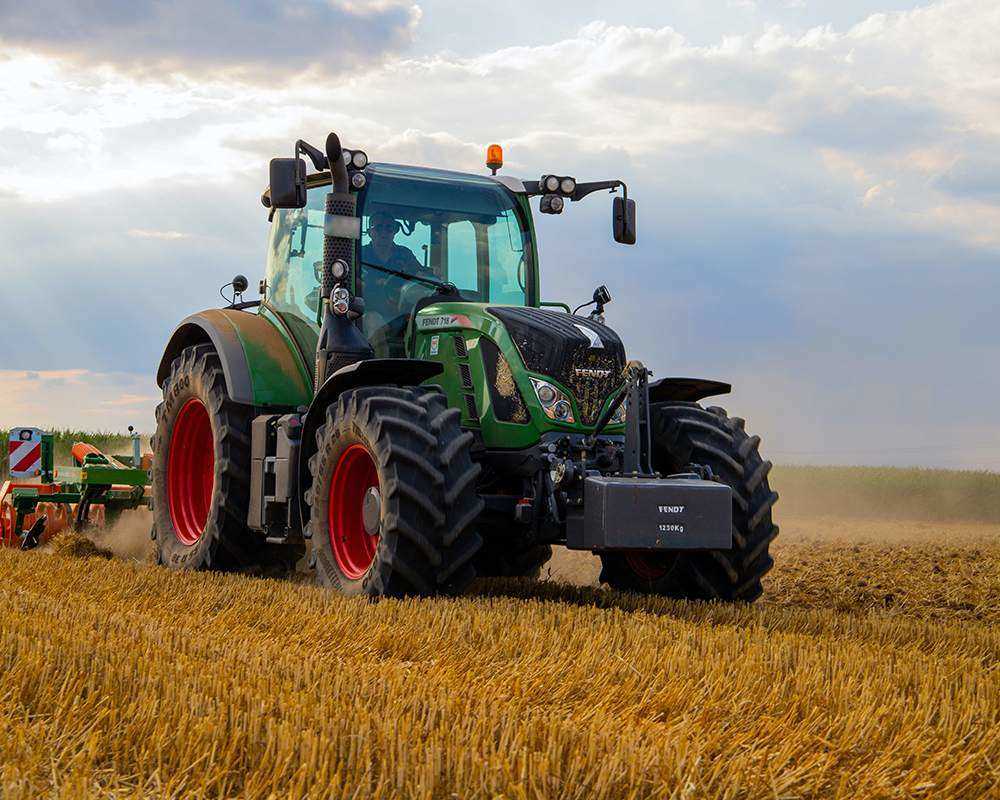
When it comes to farm equipment, one of the most common decisions farmers face is whether to rent or buy machinery. Both options have their advantages, but the right choice depends on your farm's size, budget, and long-term goals.
At Trusling Farms, we understand that selecting the right equipment is crucial for improving farm productivity. This article breaks down the pros and cons of renting vs. buying farm equipment to help you make an informed decision.
Renting farm equipment offers lower initial costs, flexibility, and access to newer models but may add up in long-term fees. Buying equipment is a long-term investment, providing ownership, availability, and resale value, but comes with high upfront costs and maintenance responsibilities. The best choice depends on your farm’s size, budget, and equipment needs.
Renting Farm Equipment
Renting farm equipment can be a great solution, especially for smaller farms or those with limited capital. Here’s why:
Advantages of Renting:
-
Lower Initial Costs
Renting eliminates the need for a large upfront investment. This allows you to allocate funds to other areas, such as crop production or livestock care. -
Access to Newer Equipment
Renting lets you access the latest models and advanced technologies without having to worry about maintenance or depreciation. -
Flexibility for Short-Term Needs
If you only need a piece of equipment for a specific season or project, renting gives you the flexibility to use the machine when necessary without long-term commitments. -
No Maintenance Costs
Equipment rental companies typically handle maintenance, repairs, and servicing, saving you time and money.
Disadvantages of Renting:
-
Ongoing Rental Costs
Although renting may be cheaper in the short term, the rental fees can add up over time, especially if you use the equipment frequently. -
Limited Availability
Popular equipment may not always be available when you need it, especially during peak seasons. -
No Ownership
You won’t own the equipment, meaning you can’t sell it or benefit from its resale value once it’s no longer needed.
Buying Farm Equipment
For larger farms or those with consistent equipment needs, buying might be the better option. Here’s why:
Advantages of Buying:
-
Long-Term Investment
Owning equipment can be a long-term investment, especially if you use it consistently. You’ll save on rental fees in the future, making the overall cost lower in the long run. -
Availability When Needed
Once you own the equipment, you can use it at any time, without worrying about availability or rental fees. -
Customization
Owning allows you to make adjustments and modifications to the equipment to better suit your needs. -
Resale Value
If your needs change, you can sell the equipment and recoup some of your investment.
Disadvantages of Buying:
-
High Initial Cost
The upfront cost of purchasing equipment can be a significant financial burden, especially for smaller farms with tight budgets. -
Maintenance Costs
Owning equipment means you’re responsible for regular maintenance, repairs, and servicing, which can be costly and time-consuming. -
Depreciation
Equipment loses value over time, and if it’s not used frequently, it may not hold its value as expected.
When to Rent
-
Short-Term Projects: If you only need equipment for a limited time (such as during planting or harvest season), renting is a cost-effective solution.
-
Specialized Equipment: For rare or highly specialized equipment that you don’t use regularly, renting is often more economical.
-
Limited Budget: If you’re just starting and don’t have the capital to buy, renting can help you access the machinery you need without breaking the bank.
When to Buy
-
Long-Term Use: If you plan to use the equipment frequently or for multiple seasons, buying can be the more cost-effective choice in the long run.
-
Growing Farms: Larger or expanding farms may benefit from ownership to ensure availability and control over the equipment.
-
Frequent Repairs: If you have a consistent need for machinery that requires frequent use or repairs, owning it can save money over time.
Ultimately, whether you rent or buy depends on your unique farming needs, financial situation, and long-term goals. If you're just getting started or have occasional needs, renting may be the best option. However, for established or expanding farms, buying offers more stability and control.
At Trusling Farms, we provide both farm equipment rental and sales to help you meet your specific needs, whether you’re looking for short-term flexibility or long-term investment. Contact us today to learn more about how we can support your farming journey.

All Categories
Recent Posts
Beginner’s Guide to Starting a Profitable Poultry Farm
5 Mistakes New Farmers Make and How to Avoid Them
Why Soil Testing Is the First Step to a Successful Harvest
Trusling Farms
+233241607457
info@truslingfarms.com